Introduction
As consumer awareness of personal hygiene and environmental sustainability continues to grow, wet wipes have become an essential product in households, healthcare facilities, and public spaces worldwide. At the same time, brand owners, distributors, and retailers are looking for innovative products that meet changing consumer expectations while complying with increasingly strict environmental regulations.
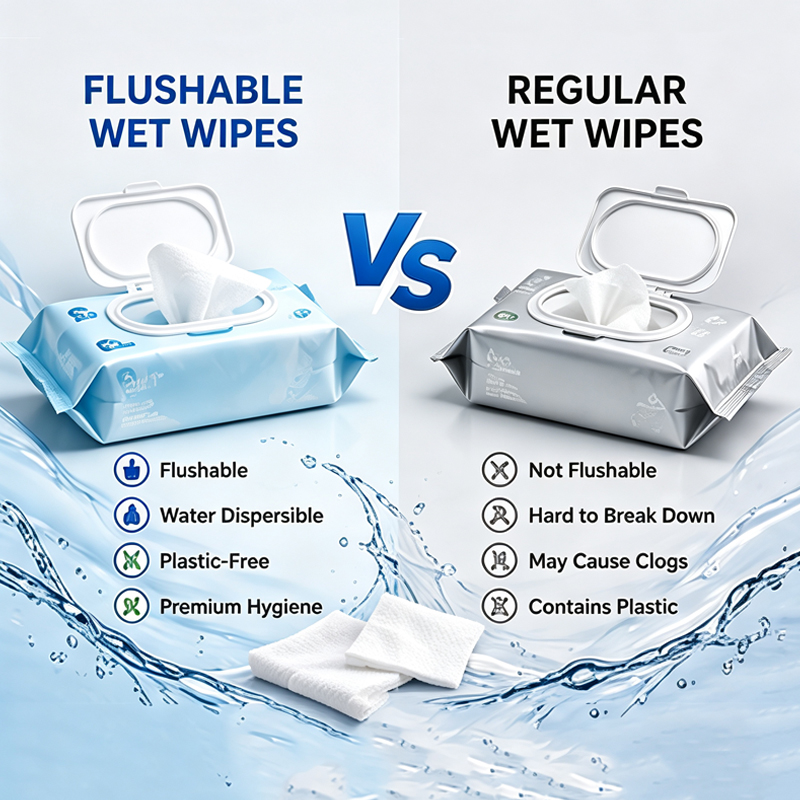
Among the fastest-growing categories, flushable wet wipes are attracting significant attention. Unlike conventional wet wipes, they are designed to offer superior cleaning performance while dispersing in water after disposal under recognized industry testing standards.
However, many buyers still ask the same question:
What is the difference between flushable wet wipes and regular wet wipes?
Although they may look similar, these two products differ greatly in raw materials, manufacturing technology, flushability, environmental impact, and intended applications. Understanding these differences is essential for importers, wholesalers, supermarkets, healthcare brands, and private label buyers when selecting the right OEM manufacturing partner.
This guide explains everything B2B buyers need to know before sourcing flushable wet wipes.
What Are Flushable Wet Wipes?
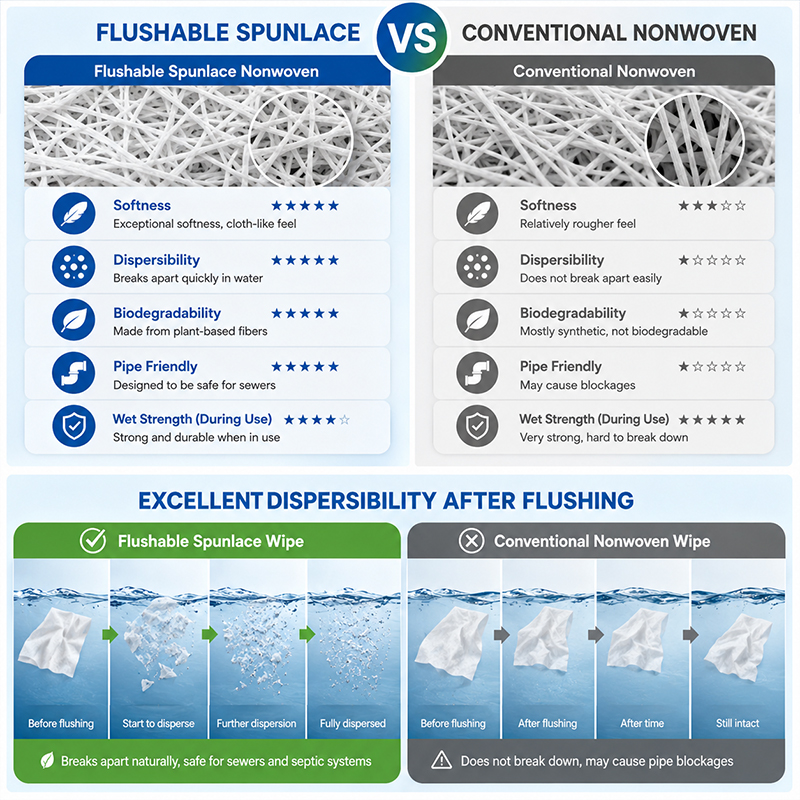
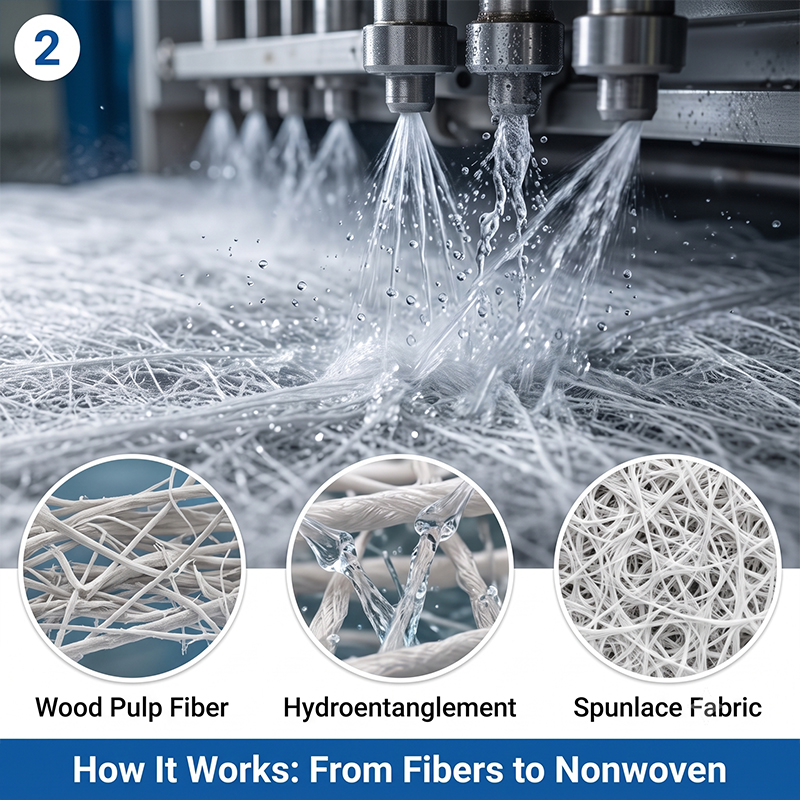
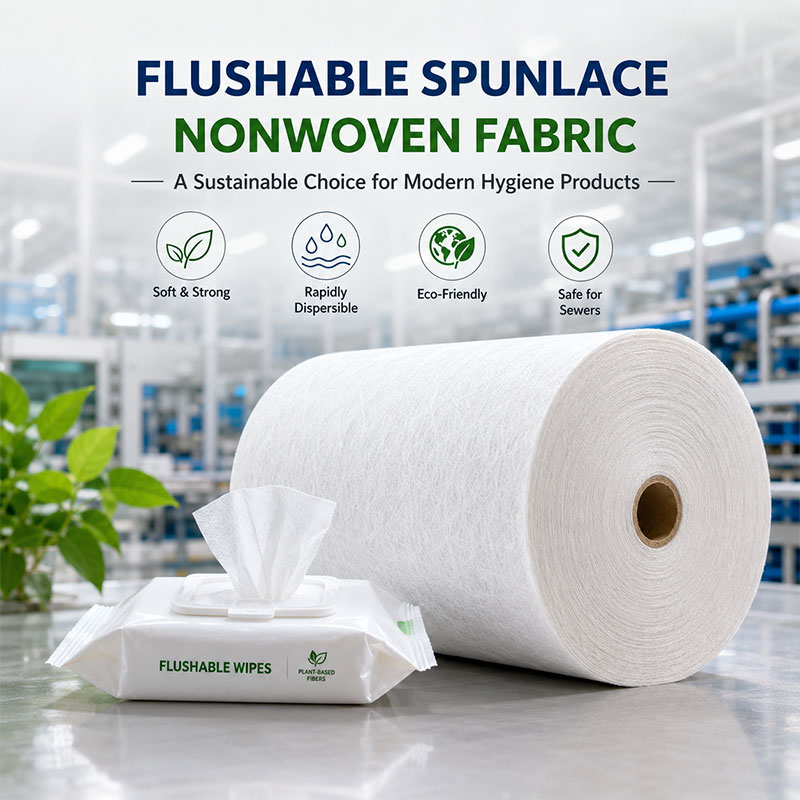
Flushable wet wipes are specially engineered moist wipes that are designed to disperse in water after flushing while maintaining sufficient strength during use. Unlike conventional wipes, they are manufactured using water-dispersible spunlace nonwoven fabric, primarily composed of plant-based cellulose fibers such as wood pulp and viscose.
High-quality flushable wipes are commonly tested according to recognized industry standards, such as EDANA GD4, to evaluate their dispersibility and compatibility with wastewater systems.
Typical applications include:
- Personal toilet hygiene
- Adult care
- Sensitive skin care
- Healthcare facilities
- Hospitality industry
Because of their softness, convenience, and environmentally conscious design, flushable wipes are becoming an increasingly popular premium hygiene product worldwide.
What Are Regular Wet Wipes?
Regular wet wipes are designed for cleaning rather than flushing. Most conventional wet wipes are manufactured using synthetic fibers such as polyester or polypropylene, providing excellent tensile strength and durability.
These materials allow the wipes to remain intact even after prolonged exposure to water, making them suitable for applications such as:
- Baby wipes
- Makeup remover wipes
- Household cleaning wipes
- Industrial cleaning wipes
- Disinfecting wipes
Since they do not readily disperse in water, regular wet wipes should always be disposed of in a trash bin rather than flushed into the sewer system.
Flushable Wet Wipes vs Regular Wet Wipes
| Feature | Flushable Wet Wipes | Regular Wet Wipes |
|---|---|---|
| Primary Fiber | Wood Pulp, Viscose, Cellulose | Polyester, Polypropylene |
| Water Dispersibility | Excellent | Poor |
| Flushability | Yes (GD4 Tested) | No |
| Sewer Compatibility | High | Low |
| Plastic Content | Usually Plastic-Free | Often Contains Plastic |
| Environmental Impact | Lower | Higher |
| Product Positioning | Premium Hygiene | General Cleaning |
| Manufacturing Cost | Higher | Lower |
Although flushable wipes typically have a higher production cost, they offer greater value for brands targeting premium hygiene and environmentally conscious consumers.
Why Material Selection Matters
The performance of a wet wipe begins with its raw materials.
Premium flushable wet wipes are commonly manufactured using:
- Wood Pulp Fiber
- Viscose Fiber
- Natural Cellulose Fiber
- Flushable Spunlace Nonwoven Fabric
These fibers provide an ideal balance between softness, absorbency, skin comfort, and controlled dispersibility.
By contrast, conventional wet wipes usually contain polyester or polypropylene fibers. While these materials improve durability and tensile strength, they do not disperse effectively after flushing.
For OEM buyers, selecting the right material directly affects product performance, customer satisfaction, and environmental compliance.
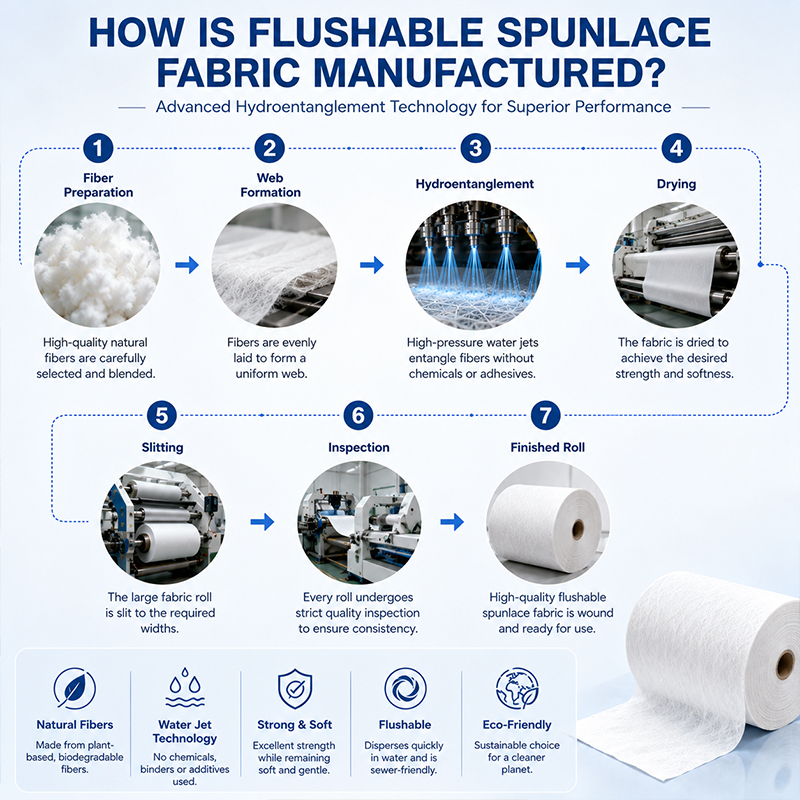
How Flushable Wet Wipes Are Manufactured
Manufacturing flushable wet wipes requires advanced production technology and strict quality control throughout every stage.
The typical production process includes:
- Production of flushable spunlace nonwoven fabric
- Raw material inspection
- Preparation of skin-friendly lotion
- Precision liquid dosing
- Folding and converting
- Automatic packaging
- Quality inspection
- Carton packing and shipment
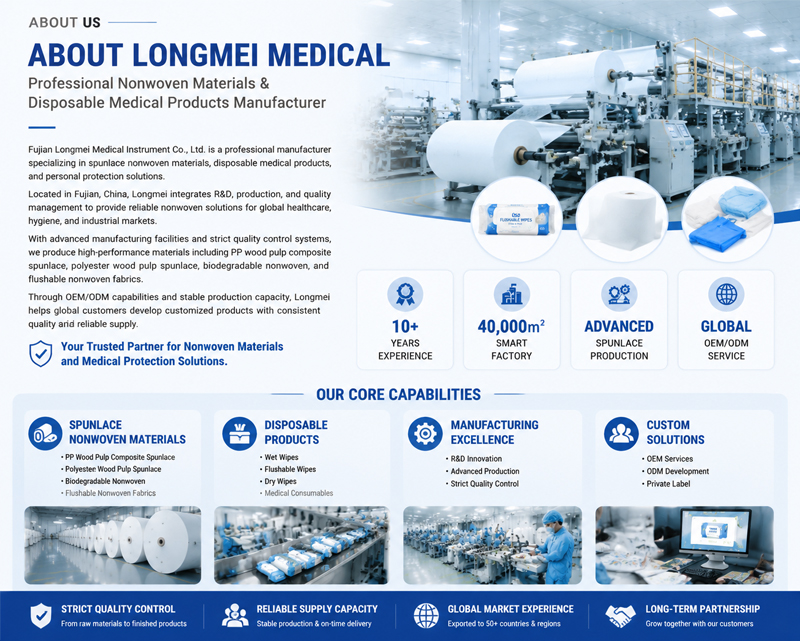
Manufacturers with integrated production capabilities—from nonwoven fabric manufacturing to finished wet wipes—can better ensure product consistency, stable quality, and reliable supply.
Why Flushability Standards Matter
Not every product labeled as “flushable” performs the same.
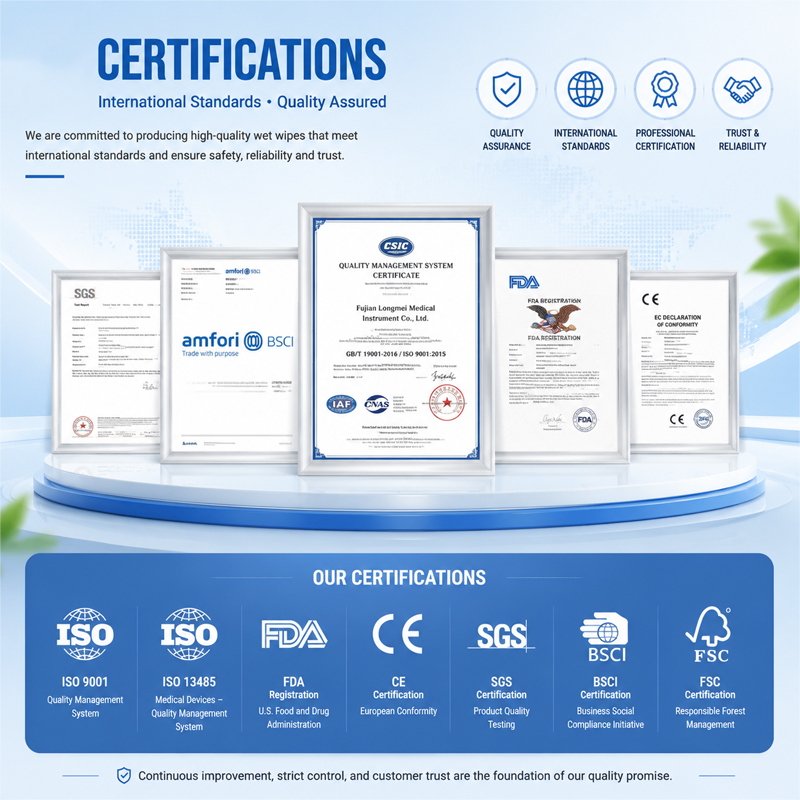
Reliable manufacturers validate product performance through internationally recognized testing methods, including:
- EDANA GD4 Guidelines
- Slosh Box Test
- Household Pump Test
- Drainline Clearance Test
- Municipal Sewer Simulation
These tests evaluate whether the wipe can disperse appropriately after disposal and help reduce the risk of sewer blockages.
For B2B buyers, requesting third-party testing reports or in-house validation data is an important step when selecting an OEM supplier.
Market Trends Driving Demand for Flushable Wet Wipes
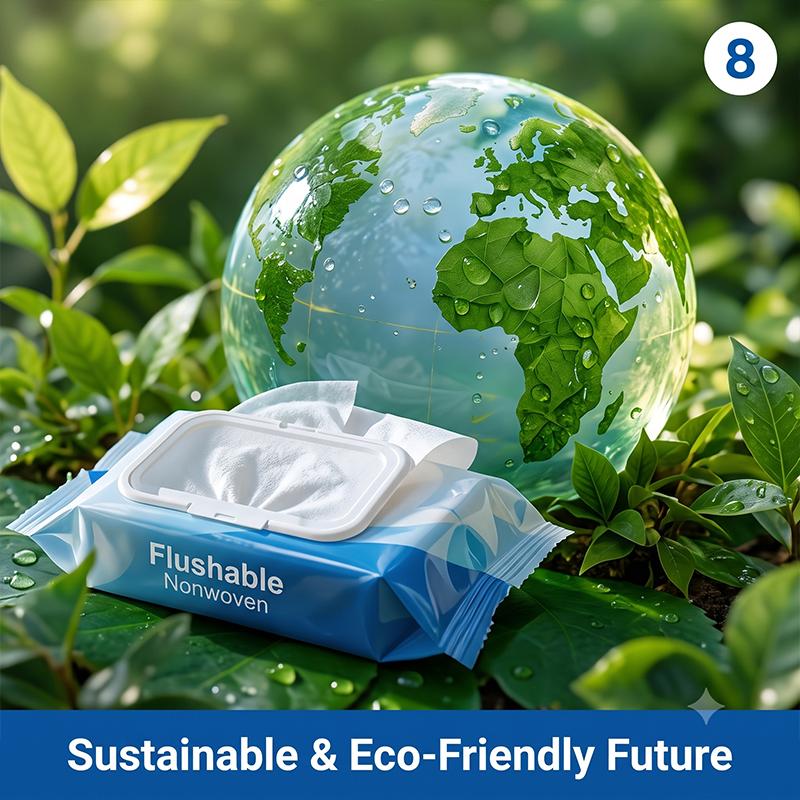
The global demand for flushable wet wipes continues to grow due to several market drivers:
Growing Hygiene Awareness
Consumers increasingly prefer products that provide a cleaner and more comfortable personal hygiene experience.
Sustainability Initiatives
Governments and consumers are encouraging the use of products made from renewable and plastic-free materials.
Premium Product Positioning
Flushable wet wipes allow brands to expand into higher-value product categories with stronger profit margins.
Growth of Private Label Brands
Retailers and distributors are increasingly launching their own branded hygiene products, creating strong demand for reliable OEM manufacturers.
Aging Population
The growing adult care market is driving higher demand for convenient hygiene solutions worldwide.
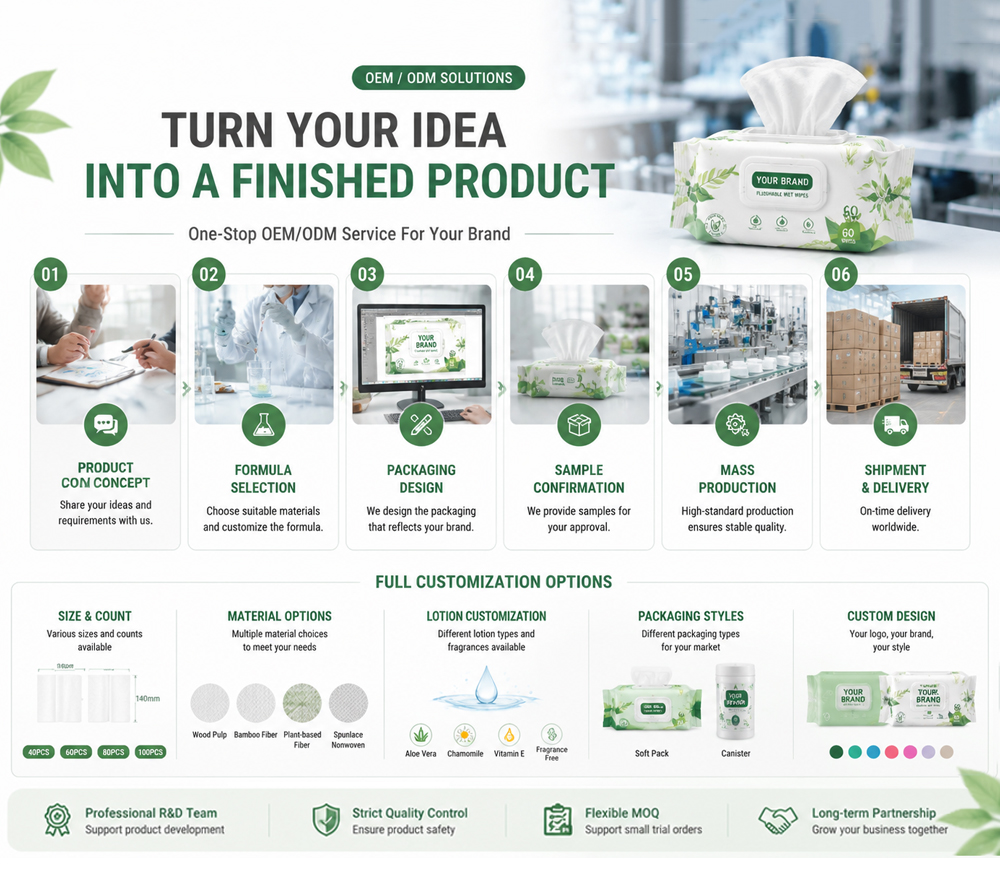
OEM & Private Label Opportunities
Private label manufacturing enables brands to create differentiated products tailored to their target markets.
Common OEM customization options include:
- Sheet size
- Fabric weight (GSM)
- Lotion formulation
- Fragrance options
- Alcohol-free formula
- Sensitive skin formula
- Natural ingredient formulation
- Packaging design
- Label printing
- Private branding
Working with an experienced OEM manufacturer allows buyers to shorten product development cycles while maintaining consistent quality.
How to Choose a Reliable Flushable Wet Wipes Manufacturer
Choosing the right supplier is critical for long-term business success.
When evaluating a manufacturer, buyers should consider:
- Manufacturing experience
- Production capacity
- Integrated nonwoven fabric production
- Quality management system
- International certifications
- Flushability testing capability
- R&D support
- OEM/ODM experience
- Export experience
- Stable supply chain
- On-time delivery
- After-sales service
A manufacturer capable of producing both flushable spunlace fabric and finished wet wipes offers better process control and more consistent product quality.
Frequently Asked Questions
Are flushable wet wipes really flushable?
High-quality flushable wet wipes manufactured with water-dispersible materials and tested according to recognized industry standards are designed to disperse after flushing under appropriate conditions.
Can regular wet wipes be flushed?
No. Most regular wet wipes contain synthetic fibers that remain intact in water and should be disposed of in household waste.
Are flushable wet wipes biodegradable?
Many flushable wet wipes are manufactured using plant-based cellulose fibers. However, biodegradability depends on the material composition and applicable testing standards.
What is the difference between flushable wipes and baby wipes?
Flushable wipes are engineered for water dispersibility and sewer compatibility, while most baby wipes prioritize durability and are not intended to be flushed.
Can I customize flushable wet wipes under my own brand?
Yes. Professional OEM manufacturers typically provide private label services, including customized materials, formulations, fragrances, packaging, and branding.
Conclusion
Flushable wet wipes and regular wet wipes may appear similar, but they are fundamentally different in terms of materials, manufacturing processes, environmental performance, and intended applications.
For importers, distributors, retailers, and private label brands, selecting the right product requires more than comparing prices. Factors such as raw material quality, flushability performance, production capability, quality management, and OEM expertise all play a vital role in building a successful product line.
As global demand for sustainable hygiene products continues to increase, flushable wet wipes are becoming one of the most promising categories in the personal care industry. Partnering with an experienced manufacturer that offers integrated nonwoven fabric production, advanced manufacturing technology, and comprehensive OEM services can help brands launch high-quality products while staying competitive in the global market.
If you are looking for a trusted OEM partner for flushable wet wipes, choosing a manufacturer with proven production capabilities, international quality standards, and strong R&D support will provide a solid foundation for long-term business growth.
Post time: Jul-27-2026