Introduction: Why Protective Clothing Remains a Critical PPE Category
Protective clothing is a core part of personal protective equipment (PPE), designed to reduce exposure to chemical, biological, and industrial hazards. In Europe and the Middle East, demand for certified protective suits continues to grow across healthcare, manufacturing, oil & gas, cleaning, and emergency response sectors.
For B2B buyers, purchasing protective clothing is no longer only about basic coverage. Today’s buyers search for regulatory compliance, application-specific protection, supply stability, and long-term cost efficiency. This article explains how to evaluate protective clothing from a professional procurement perspective.
What Is Protective Clothing?
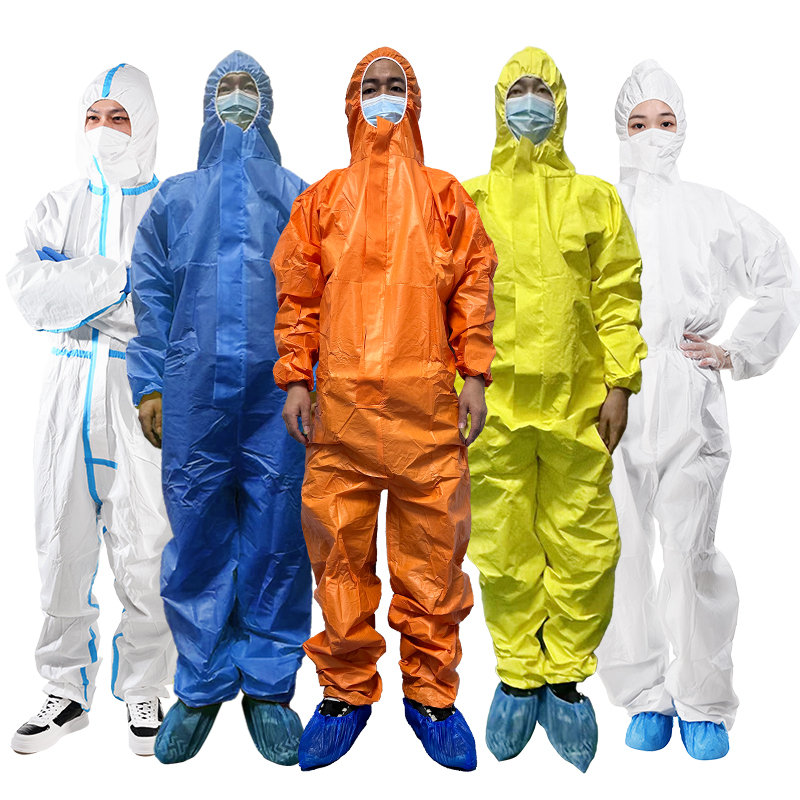
Protective clothing refers to garments designed to protect the wearer from hazardous substances, particles, or environments. Depending on the risk level, protective suits may offer protection against:
-
Liquid splashes and aerosols
-
Fine dust and solid particles
-
Chemical penetration
-
Biological contamination
-
Industrial dirt and mechanical risks
In most B2B applications, protective clothing is categorized as disposable or limited-use PPE and must comply with regional safety regulations.
Key Buyer Search Trends in Europe and the Middle East
Based on recent procurement behavior and online search patterns, buyers in these regions typically focus on:
-
Certified protective clothing suppliers
-
Chemical resistant protective suits
-
Disposable protective clothing for industrial use
-
Protective suits compliant with EU standards
-
Bulk PPE protective clothing manufacturer
Understanding these search intents helps suppliers structure content that aligns with Google’s ranking logic and buyer decision paths.
Critical Factors When Selecting Protective Clothing
1. Material Performance and Barrier Protection
Material selection directly affects protection level and user comfort. Common materials include PP nonwoven, laminated breathable fabrics, and high-density barrier composites. Buyers typically look for a balance between particle filtration, liquid resistance, and breathability, especially for long working hours.
For hot climates in the Middle East, breathable protective clothing is a frequent search priority, while European buyers often emphasize multi-layer protection and regulatory compliance.
2. Compliance With European and International Standards
For the European market, protective clothing must meet specific PPE regulations. Buyers actively search for products compliant with:
-
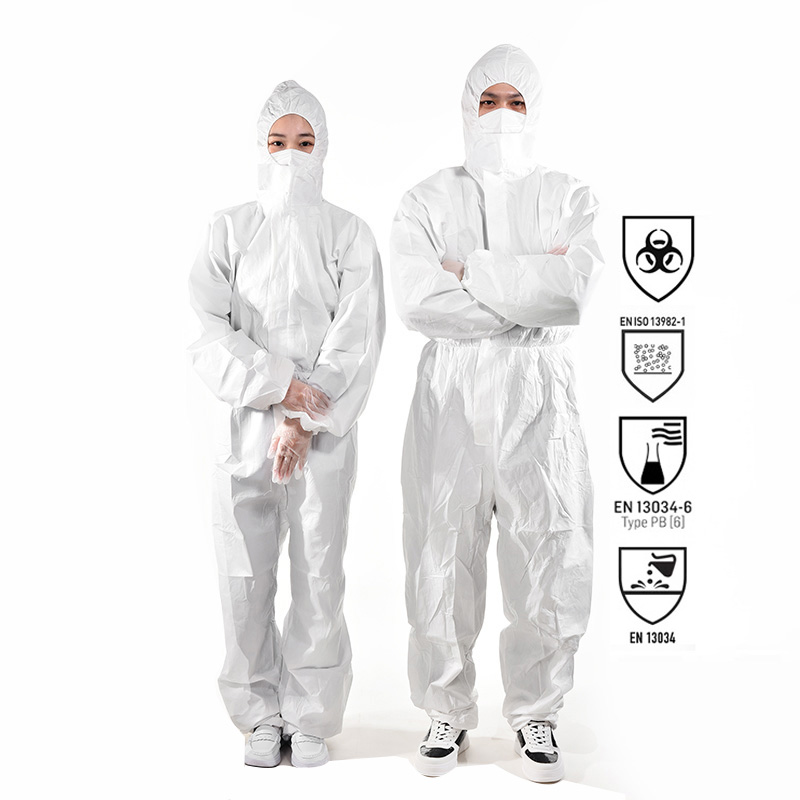
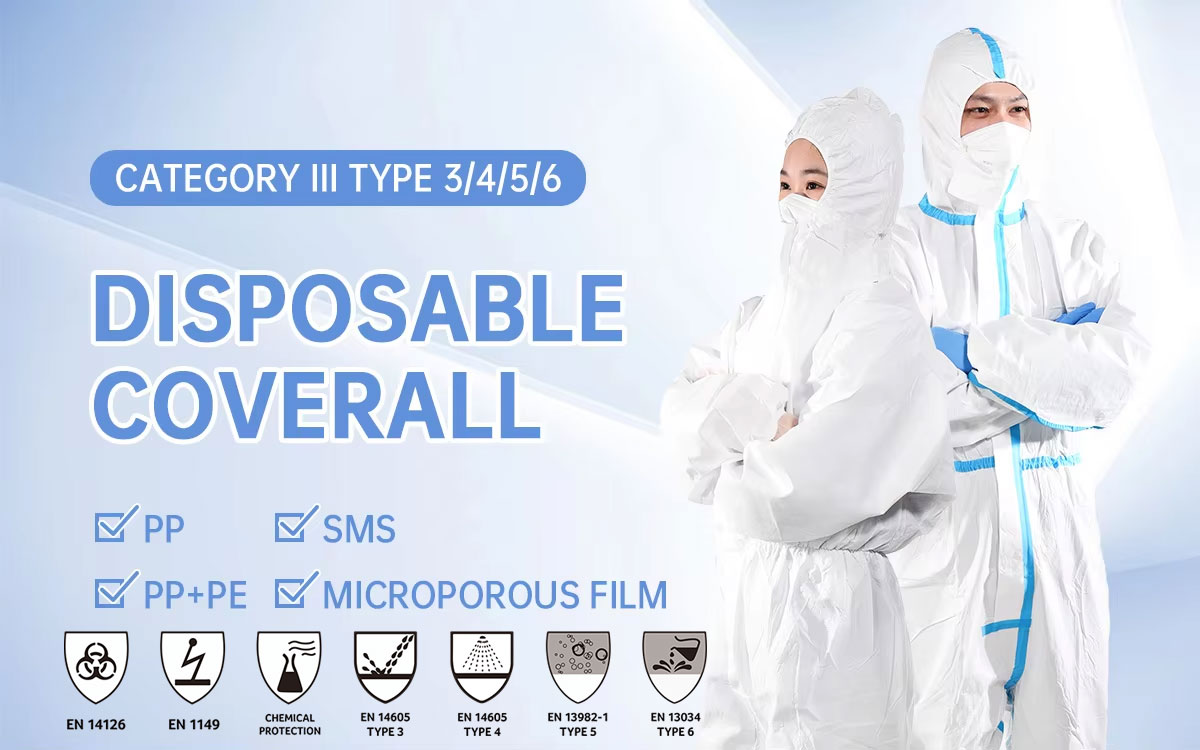
EN 14126 (biological hazards)
-
EN 13034 / EN 14605 (chemical protection)
-
Category III PPE requirements
Clear certification documentation improves trust and significantly increases conversion rates in B2B procurement.
3. Fit, Comfort, and Ergonomic Design
Protective clothing must allow sufficient freedom of movement without compromising safety. Features such as elastic cuffs, adjustable hoods, reinforced seams, and optimized pattern design are frequently mentioned in buyer inquiries.
For large-scale industrial buyers, worker acceptance and comfort directly affect productivity and repeat purchase decisions.
4. Industry-Specific Applications
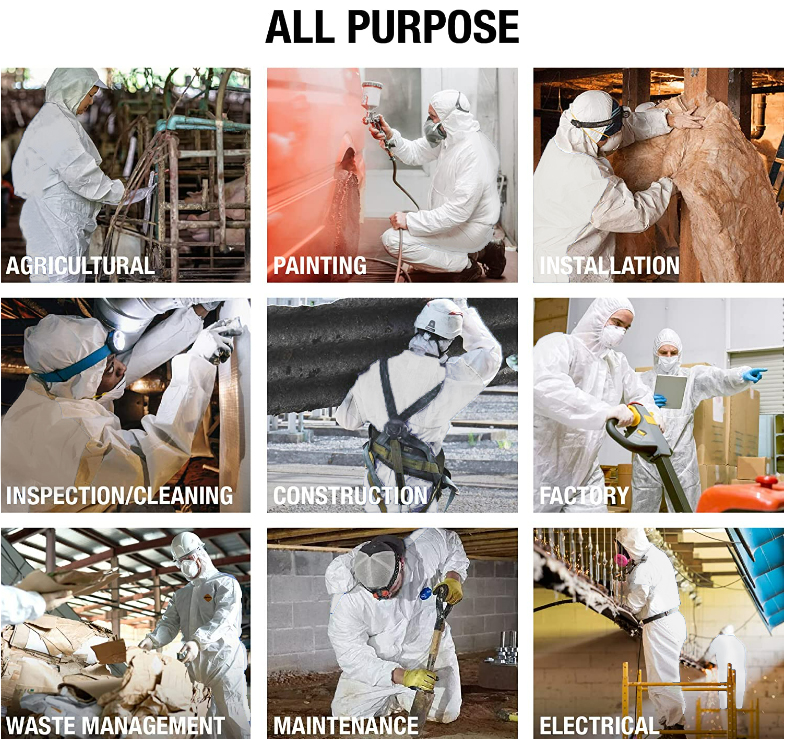
Different industries search for protective clothing based on application scenarios:
-
Healthcare and laboratories: protection against fluids and microorganisms
-
Chemical and oil industries: resistance to splashes and hazardous liquids
-
Industrial manufacturing: dust, particles, and contamination control
-
Cleaning and sanitation services: disposable protective clothing for hygiene management
Well-structured content that addresses these use cases improves relevance for long-tail Google searches.
5. Supply Capacity and Long-Term Cooperation
European and Middle Eastern buyers increasingly prefer manufacturers with stable production capacity, quality control systems, and export experience. Searches related to “protective clothing manufacturer” or “OEM protective suits supplier” often indicate buyers looking for long-term partnerships rather than spot purchases.
Market Outlook: Protective Clothing in Europe and the Middle East
Stricter workplace safety regulations, increased awareness of occupational health, and expansion of industrial projects continue to drive demand for protective clothing. Buyers are shifting from price-only decisions to value-based sourcing, focusing on compliance, durability, and supplier reliability.
Suppliers that provide transparent product data, clear certifications, and application-oriented content tend to perform better in organic search results and buyer engagement.
FAQ: Protective Clothing for B2B Buyers
What is the difference between disposable and reusable protective clothing?
Disposable protective clothing is designed for single or limited use and is commonly used in medical, cleaning, and industrial environments. Reusable protective clothing is made from heavier materials and intended for repeated use after proper cleaning.
What standards should protective clothing meet for the European market?
Protective clothing sold in Europe should comply with EU PPE Regulation and relevant EN standards, such as EN 14126 for biological hazards or EN 14605 for chemical protection, depending on the application.
Is breathable protective clothing suitable for hot climates?
Yes. Breathable protective clothing is especially important for Middle Eastern markets, where high temperatures require materials that reduce heat stress while maintaining adequate barrier protection.
How do buyers choose the right protective clothing for their industry?
Buyers typically evaluate protection level, material performance, comfort, certification, and supplier reliability. Industry-specific risk assessments play a key role in product selection.
Can protective clothing be customized for bulk orders?
Many manufacturers offer OEM or customization options, including size ranges, packaging, labeling, and specific material configurations, especially for large-volume B2B orders.
Conclusion
Protective clothing remains an essential PPE category for Europe and the Middle East. For suppliers and manufacturers, aligning content with buyer search intent, regulatory requirements, and real application scenarios is key to improving Google visibility and attracting qualified B2B inquiries.
Post time: Jan-23-2026