Introduction
As global demand for sustainable hygiene products continues to grow, flushable spunlace nonwoven fabric has become a key material in the wipes and personal care industry. Driven by stricter environmental regulations and rising consumer awareness, brands and buyers are actively searching for truly flushable, biodegradable, and sewer-safe nonwoven solutions.
This article introduces what flushable spunlace nonwoven fabric is, how it works, its key advantages, applications, and what buyers should look for when sourcing this material.
What Is Flushable Spunlace Nonwoven Fabric
Flushable spunlace nonwoven fabric is a type of hydroentangled nonwoven produced using high-pressure water jets to entangle fibers mechanically without chemical binders.
Unlike conventional wipes substrates, flushable spunlace is specifically engineered to:
-
Maintain sufficient strength during use
-
Rapidly disintegrate after flushing
-
Reduce the risk of sewer blockage
The fabric is commonly made from cellulosic fibers, such as viscose, wood pulp, or other regenerated fibers, which are more compatible with wastewater systems.

Key Features Buyers Care About
True Flushability Performance
One of the most searched topics related to flushable wipes is whether the material is “truly flushable” rather than only labeled as such.
High-quality flushable spunlace nonwoven fabric:
-
Disperses quickly under water agitation
-
Breaks down into small fiber fragments
-
Passes recognized flushability and dispersibility tests
This performance is essential for compliance with international guidelines and to avoid environmental or infrastructure issues.

Environmentally Friendly and Biodegradable
Sustainability is a major driver in purchasing decisions. Buyers increasingly prefer materials that are:
-
Plastic-free or low in synthetic fibers
-
Biodegradable under natural conditions
-
Made from renewable resources
Flushable spunlace made primarily from cellulose fibers supports eco-friendly product positioning and helps brands meet sustainability targets.
Softness, Absorbency, and Skin Safety
Due to the spunlace manufacturing process, the fabric offers:
-
Excellent softness and cloth-like feel
-
High absorbency and liquid retention
-
Low linting and gentle contact with skin
These properties make it ideal for sensitive-use products such as baby wipes, personal hygiene wipes, and adult care wipes.
Balanced Wet Strength and Disintegration
A critical technical challenge is balancing wet strength during use and fast disintegration after flushing.
Advanced process control over:
-
Fiber length and blend ratio
-
Water-jet pressure
-
Fabric basis weight
allows manufacturers to achieve this balance, which is one of the most important evaluation points for professional buyers.
Common Applications of Flushable Spunlace Fabric
Flushable Wet Wipes
Used in toilet wipes, bathroom wipes, and personal cleansing wipes designed to be safely flushed after use.

Baby and Adult Care Products
Preferred for products requiring softness, hygiene, and environmental responsibility.

Feminine and Intimate Hygiene Wipes
High skin compatibility and flushability are essential in this segment, especially in European and North American markets.
Standards and Testing Buyers Look For
When sourcing flushable spunlace nonwoven fabric, buyers often request:
-
Flushability and dispersibility test reports
-
Compliance with industry or regional standards
-
Material composition and fiber analysis
Third-party testing and transparent documentation significantly increase buyer trust and purchasing confidence.

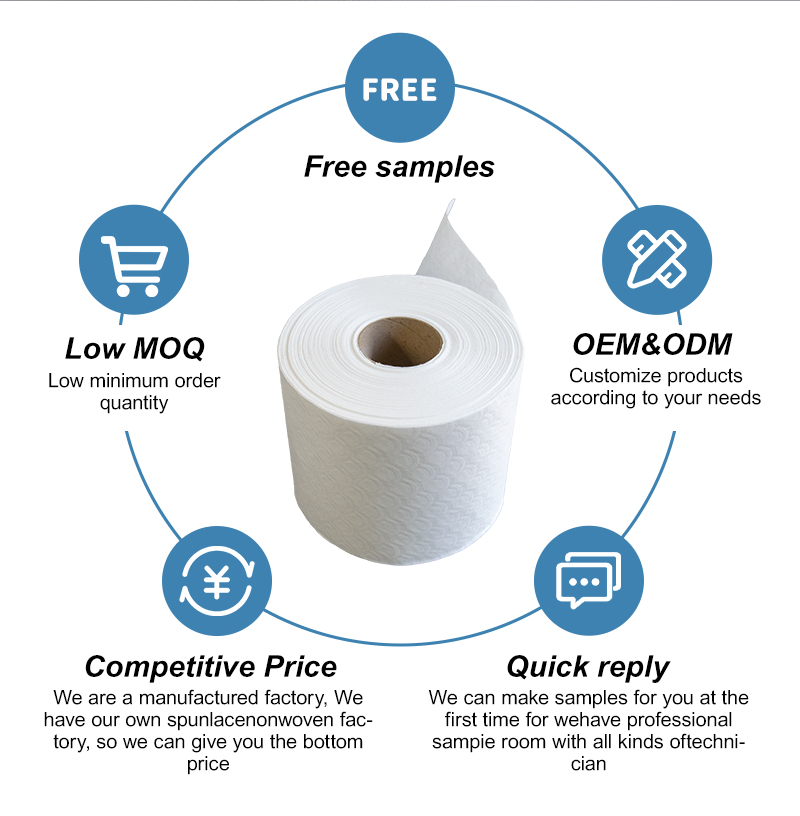
OEM and Customization Capabilities
Professional manufacturers offer:
-
Custom basis weight and fabric structure
-
Fiber blend adjustment based on flushability requirements
-
OEM/ODM support for wipes brands
-
Stable supply capacity for large-volume orders
Customization is especially important for brands targeting different regional regulations and consumer preferences.
Frequently Asked Questions
Is flushable spunlace nonwoven fabric safe for sewer systems?
When properly engineered and tested, true flushable spunlace fabric disperses quickly and minimizes sewer blockage risks.
Is flushable the same as biodegradable?
Not always. Flushable refers to dispersibility in water systems, while biodegradable refers to environmental breakdown. High-quality flushable spunlace can achieve both.
What fibers are commonly used?
Viscose, wood pulp, and other regenerated cellulose fibers are most common due to their dispersibility and environmental compatibility.
Conclusion
Flushable spunlace nonwoven fabric represents the future of sustainable hygiene materials. With its combination of softness, performance, true flushability, and environmental responsibility, it is increasingly favored by global wipes and personal care brands.
For buyers, choosing the right supplier with proven testing, stable production, and customization capability is essential to ensure product safety, compliance, and market competitiveness.
Post time: Dec-16-2025