As regulatory requirements and workplace safety standards continue to tighten across Europe, FFP3 disposable masks have become a critical product for medical, industrial, and high-risk working environments. For procurement managers and distributors, choosing the right FFP3 mask is not only about price, but also about compliance, performance, and supply stability.
This buying guide explains the key factors to consider when sourcing FFP3 disposable masks and how to make an informed purchasing decision.
What Is an FFP3 Disposable Mask?
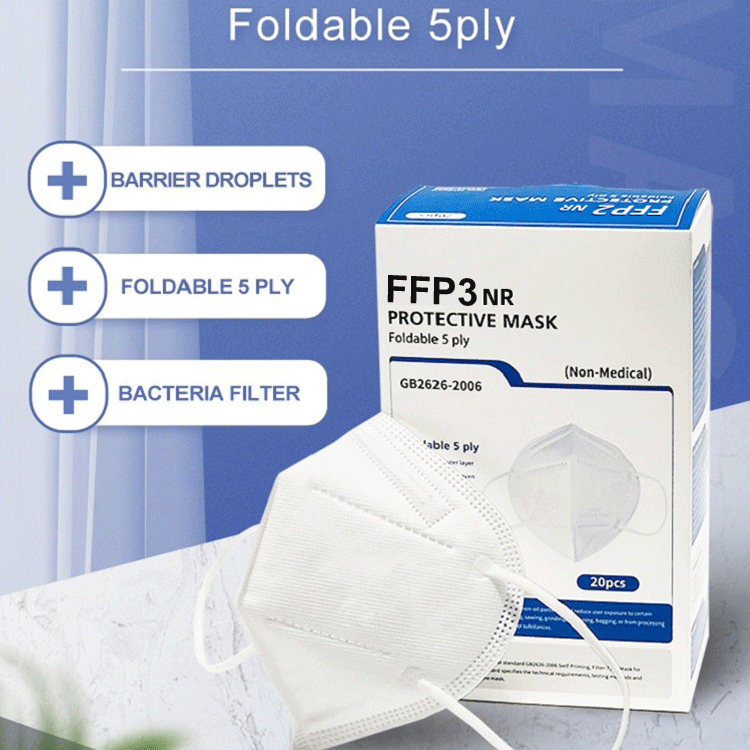
An FFP3 disposable mask is a filtering facepiece respirator classified under the EN 149:2001+A1:2009 European standard. FFP3 represents the highest protection level in the FFP category, offering a minimum filtration efficiency of 99% against solid and liquid aerosols.
Due to this high level of protection, FFP3 disposable masks are commonly used in environments with hazardous dust, fine particles, or airborne contaminants.
FFP3 vs FFP2: Which One Should Buyers Choose?
One of the most common procurement questions is whether FFP2 or FFP3 disposable masks are required.
FFP2 masks provide ≥94% filtration efficiency and are suitable for general industrial or construction use. In contrast, FFP3 disposable masks offer ≥99% filtration efficiency and lower inward leakage, making them more appropriate for high-risk medical, pharmaceutical, chemical, and industrial applications.
From a procurement perspective, FFP3 masks are typically specified when safety regulations, risk assessments, or customer requirements demand the highest level of respiratory protection.
Key Specifications to Check Before Purchasing FFP3 Masks
When sourcing FFP3 disposable masks, buyers should carefully review the following technical factors:
1.EN 149 Compliance
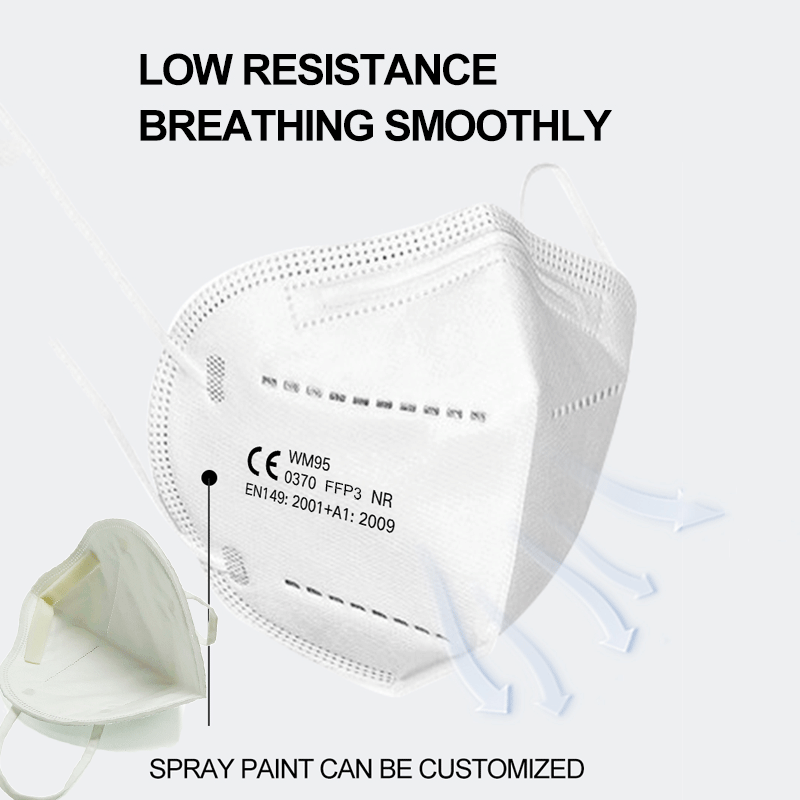
Ensure the product complies with EN 149:2001+A1:2009 and is clearly marked as FFP3. Certification and batch testing are essential indicators of reliability.
2.Filtration Efficiency and Leakage
FFP3 masks should provide ≥99% filtration efficiency with a maximum inward leakage of ≤2%. These parameters directly impact wearer safety.
3.Material Structure
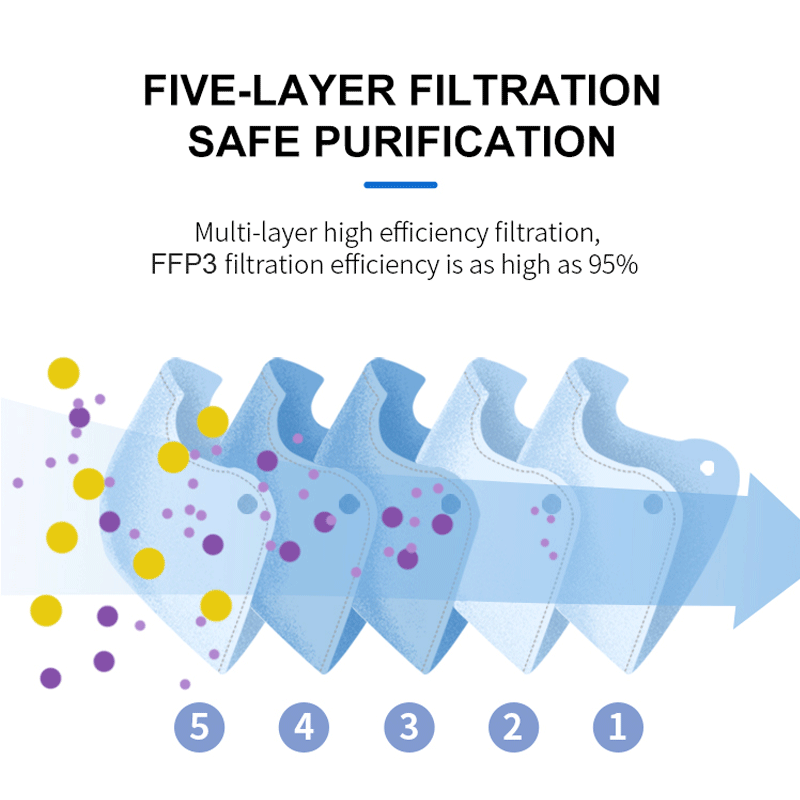
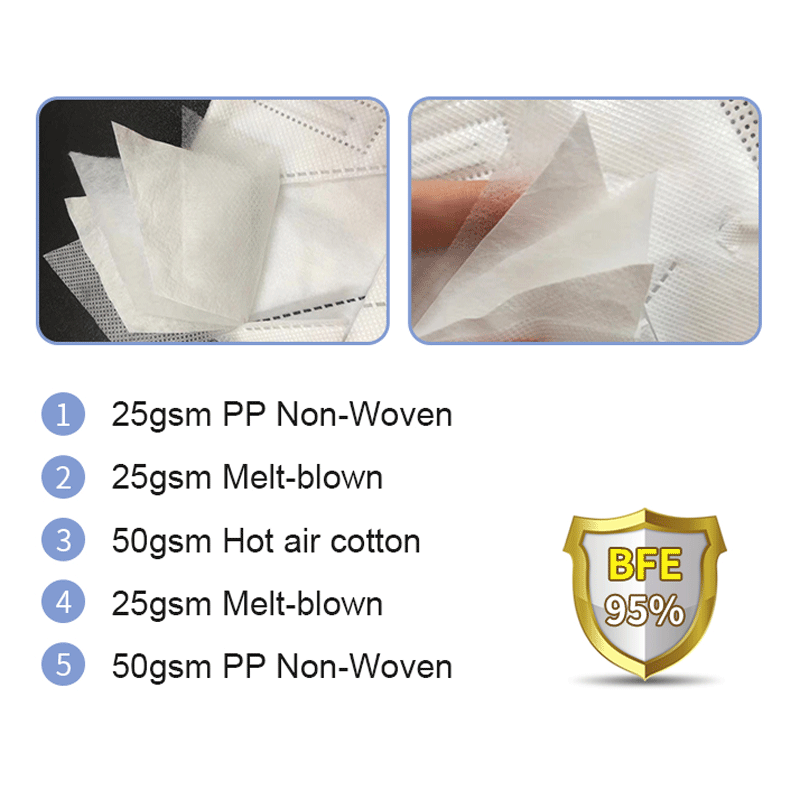
High-quality FFP3 disposable masks typically use a multi-layer nonwoven structure, combining spunbond layers with high-efficiency filtration media to balance protection and breathability.
4.Fit and Comfort
A secure facial seal, adjustable nose clip, and elastic headbands are important for maintaining protection during extended use in professional environments.
Common Applications Driving FFP3 Mask Procurement
FFP3 disposable masks are widely sourced for:
-
1.Medical and healthcare facilities
-
2.Pharmaceutical production and laboratories
-
3.Chemical processing and industrial manufacturing
-
4.Construction, mining, and demolition work
-
5.High-dust or high-risk occupational environments
Understanding the end-use application helps buyers select the appropriate protection level and avoid under- or over-specification.
Single-Use Design and Supply Planning
FFP3 disposable masks are designed for single use. This makes supply planning especially important for distributors and large-scale buyers. Reliable suppliers should be able to support consistent bulk delivery, stable quality across batches, and flexible packaging options.
How to Choose a Reliable FFP3 Mask Supplier
Beyond product specifications, supplier capability plays a key role in procurement decisions. Buyers should evaluate:
-
1.Manufacturing experience and quality control systems
-
2.Consistent compliance with EN 149 standards
-
3.Capacity to support bulk orders and long-term supply
-
4.OEM or private label options for brand owners
Suppliers with integrated production and strict quality management systems are better positioned to ensure long-term cooperation.
Conclusion
FFP3 disposable masks are an essential component of respiratory protection in high-risk environments. For procurement professionals, understanding FFP3 standards, technical specifications, application requirements, and supplier capabilities is key to making a safe and cost-effective purchasing decision.
By selecting compliant products from reliable manufacturers, buyers can ensure consistent protection, regulatory compliance, and supply stability.
Post time: Jan-19-2026