Why Chemical Protective Clothing Is a Priority in Industrial Safety
Chemical protective clothing plays a critical role in industrial safety, especially in sectors where workers are exposed to hazardous liquids, splashes, vapors, or contaminated particles. In Europe and the Middle East, industries such as chemicals, oil & gas, manufacturing, and industrial maintenance continue to increase their demand for certified protective suits.
For B2B buyers, selecting chemical protective clothing is not only about meeting safety requirements, but also about ensuring operational efficiency, worker comfort, and regulatory compliance.

What Is Chemical Protective Clothing?
Chemical protective clothing is a category of PPE designed to limit or prevent contact between the wearer and harmful chemical substances. Depending on the risk level, protective suits may provide resistance against:
-
Chemical splashes and liquid penetration
-
Hazardous dust and solid particles
-
Industrial aerosols and contaminants
-
Light chemical vapors in controlled environments
Most industrial buyers search for limited-use or disposable chemical protective suits that balance protection, breathability, and cost control.

Buyer Search Behavior in Europe and the Middle East
Recent search trends show that industrial procurement teams commonly look for:
-
Chemical resistant protective suits
-
Industrial protective clothing supplier
-
Disposable chemical protective clothing
-
PPE protective suits for chemical industry
-
Protective clothing compliant with EU standards
These search terms indicate strong purchase intent and a focus on application-specific protection rather than generic PPE.
Key Factors When Choosing Chemical Protective Clothing
1. Material Resistance and Barrier Performance
Material performance is the most critical factor in chemical protective clothing. Commonly used materials include PP nonwoven fabrics, laminated breathable membranes, and coated composite fabrics.
Industrial buyers often evaluate:
-
Liquid splash resistance
-
Particle filtration efficiency
-
Tear strength and seam integrity
In Middle Eastern markets, breathable materials are especially important due to high ambient temperatures, while European buyers often prioritize multilayer barrier performance.
2. Compliance With Safety Regulations
For European buyers, chemical protective clothing must comply with PPE regulations and relevant EN standards. Commonly referenced standards include:
-
EN 13034 (limited chemical splash protection)
-
EN 14605 (liquid-tight or spray-tight protection)
-
Category III PPE requirements
Clear certification labeling and test reports significantly improve buyer confidence and approval speed.
3. Comfort and Wearability in Industrial Operations
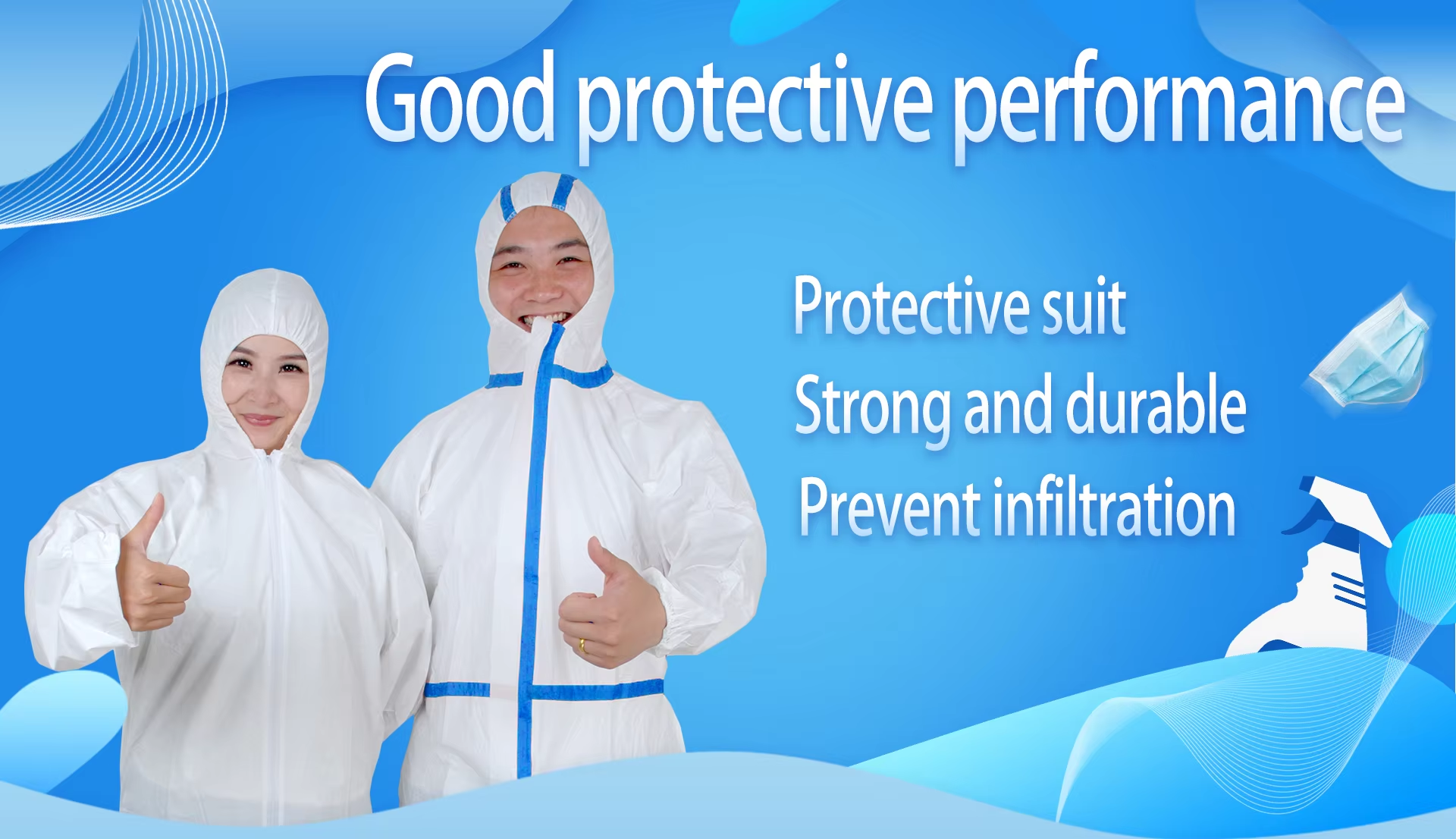
Chemical protective clothing is often worn for extended periods during industrial operations. Buyers frequently search for suits with:
-
Ergonomic pattern design
-
Elastic cuffs and adjustable hoods
-
Lightweight yet durable construction
Comfort directly affects worker efficiency and acceptance, making it a key factor in repeat purchasing decisions.
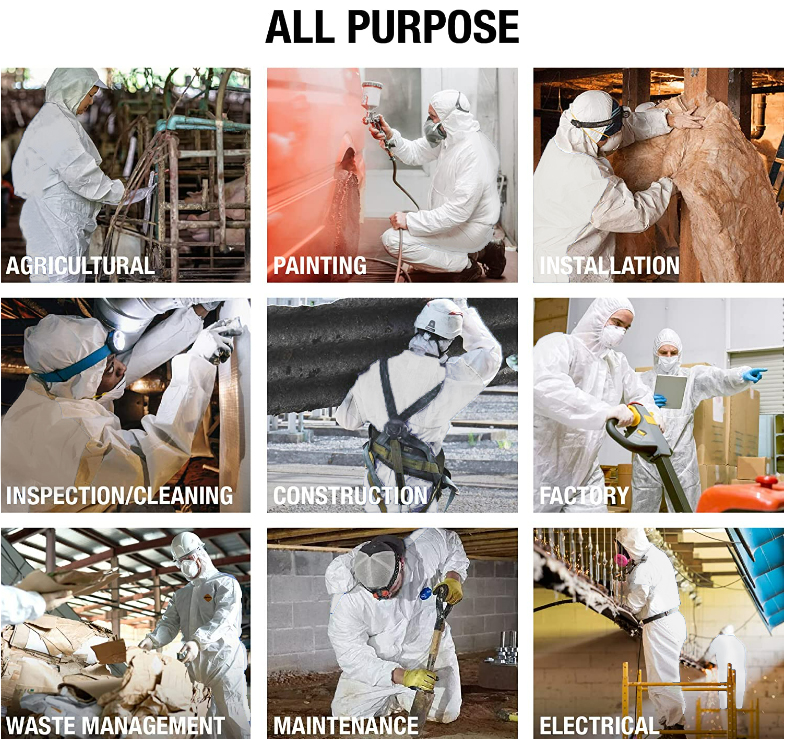
4. Industrial Application Scenarios
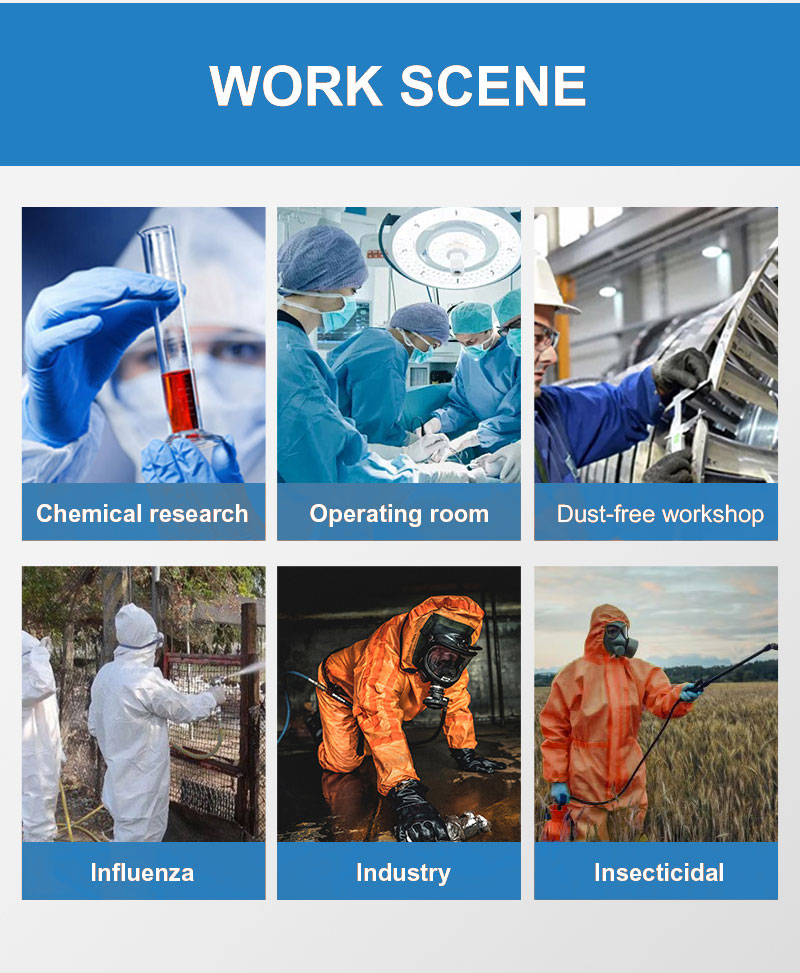
Chemical protective clothing is widely used across multiple industrial environments:
-
Chemical manufacturing and processing plants
-
Oil & gas facilities and refineries
-
Industrial cleaning and maintenance
-
Paint spraying and surface treatment operations
Blog content that clearly connects protective clothing to real application scenarios tends to rank better for long-tail Google searches.
5. Supply Reliability and Manufacturing Capability
Industrial buyers in Europe and the Middle East increasingly prefer manufacturers with stable production capacity, export experience, and consistent quality control. Searches for “chemical protective clothing manufacturer” often indicate buyers seeking long-term cooperation rather than short-term sourcing.
Market Outlook for Chemical Protective Clothing
With stricter workplace safety regulations and expanding industrial projects, demand for chemical protective clothing continues to grow. Buyers are shifting toward value-driven sourcing, focusing on certified protection, material performance, and supplier transparency.
Manufacturers that clearly communicate technical specifications, certifications, and application suitability are more likely to gain visibility and trust in organic search results.
FAQ: Chemical Protective Clothing for Industrial Buyers
What level of protection does chemical protective clothing provide?
Chemical protective clothing is designed to reduce exposure to hazardous liquids, splashes, and particles. The exact protection level depends on material type, fabric structure, and applicable safety standards.
Is disposable chemical protective clothing suitable for industrial use?
Yes. Disposable chemical protective clothing is widely used in industrial environments where contamination control, hygiene, and cost efficiency are important.
Which standards apply to chemical protective clothing in Europe?
Common standards include EN 13034 and EN 14605, depending on the level of chemical exposure. Category III PPE compliance is required for higher-risk applications.
Can chemical protective clothing be used in hot environments?
Yes. Breathable chemical protective clothing is commonly used in Middle Eastern industrial settings to reduce heat stress while maintaining adequate protection.
Do manufacturers offer bulk supply or OEM options?
Many manufacturers support bulk orders, OEM customization, and private labeling for industrial buyers with long-term procurement needs.
Conclusion
Chemical protective clothing is a key safety solution for industrial buyers in Europe and the Middle East. By focusing on material performance, regulatory compliance, and real-world application scenarios, suppliers can better match buyer search intent and improve organic visibility on Google.
Post time: Jan-23-2026